After Celebrating Kabul’s Fall, Pakistan Now Counts 4,000 Troop Deaths Since Taliban Takeover Afghan
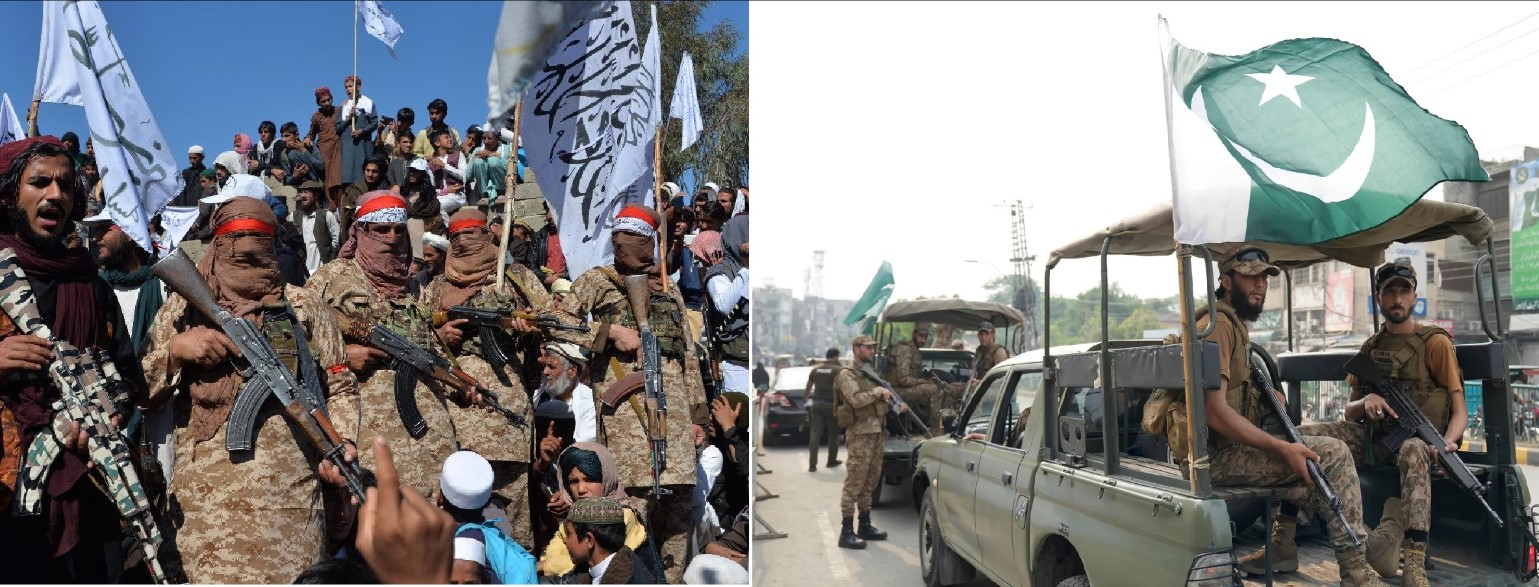
Pakistan’s foreign minister has publicly acknowledged that around 4,000 Pakistani security personnel have been killed and more than 20,000 injured in militant violence since the Afghan Taliban seized Kabul in 2021 – a stunning admission that underscores how Islamabad is now paying the price for the very militant ecosystem it once helped create and protect.
According to officials, most of these casualties are linked to attacks by Tehreek-e-Taliban Pakistan (TTP), the Pakistani Taliban, which has dramatically escalated its insurgency from safe havens across the border in Taliban-ruled Afghanistan.
From Celebration in Kabul to a Four-Year Bloodbath
When the Afghan Taliban swept into Kabul in August 2021 after the U.S. withdrawal, many in Pakistan’s establishment quietly celebrated what they saw as a “strategic victory” and the return of a friendly regime next door – the culmination of decades of support, sanctuary, and diplomatic backing for the Taliban leadership.
Four years on, Islamabad is confronting a very different reality:
-
The TTP has regrouped and expanded inside Afghanistan under Taliban rule.
-
Cross-border attacks into Pakistan have surged, especially in Khyber Pakhtunkhwa and along the Durand Line.
-
Pakistan has been forced into repeated airstrikes and artillery duels with the Afghan Taliban, triggering deadly border clashes and civilian casualties on both sides.
The foreign minister’s admission that thousands of soldiers and police have been killed or maimed since 2021 amounts, in effect, to an official acknowledgment that Pakistan’s long-held “strategic depth” policy has boomeranged.
Who Is the TTP – and Why Is It Killing Pakistani Soldiers?
Tehreek-e-Taliban Pakistan (TTP) was formed in 2007 as an umbrella of Pakistani militant factions based largely in the tribal areas and Khyber Pakhtunkhwa. Its core goals include:
-
Expelling the Pakistani state’s authority from the tribal belt
-
Imposing a hardline version of sharia across Pakistan
-
Supporting jihad against foreign forces in Afghanistan
For years, elements within Pakistan’s security establishment differentiated between “good” Taliban (Afghan Taliban and some Pakistan-focused groups) and “bad” Taliban (those directly attacking the Pakistani state). But on the ground, the networks, training camps, madrasas, and logistical pipelines overlapped heavily.
The TTP’s hostility to Islamabad is rooted in:
-
Fury at Pakistani Army operations in the tribal areas (like Rah-e-Nijat, Zarb-e-Azb, and Radd-ul-Fasaad) that displaced and killed many militants and their supporters.
-
The Lal Masjid siege (2007) and other crackdowns that radicalized a generation of fighters and clerics against the Pakistani state.
-
The perception that Pakistan’s democracy, constitution, and legal system are “un-Islamic” and must be replaced.
For TTP commanders, soldiers, police, and intelligence officials are the frontline enemies, not allies – even if Pakistan once nurtured some of these networks for influence in Afghanistan.
Taliban Rule in Kabul: Safe Haven and Force Multiplier
Since 2021, the Afghan Taliban’s takeover has transformed the TTP battlefield:
-
A 2024 UN expert report described the TTP as “the largest terrorist group in Afghanistan”, enjoying growing support and freedom of movement under the Taliban government, and estimated 6,000–6,500 TTP fighters based there.
-
The same reporting and subsequent analyses note that the TTP is using NATO-grade weapons and equipment left behind during the U.S. withdrawal.
Pakistan pressed the Taliban in Kabul to expel or restrain the TTP, even funding a proposed relocation of some fighters to deeper inside Afghanistan. But Taliban leaders – bound by ideological affinity, tribal links and years of shared struggle – have largely refused to crack down.
Instead, the Afghan Taliban have repeatedly tried to mediate between Pakistan and the TTP, pushing “peace talks” that saw Pakistani authorities release TTP prisoners and ease pressure in 2021–22 – a move many analysts now see as a major strategic blunder, giving the group time to regroup and rearm.
Surge in Attacks, Mounting Casualties
Data from independent research bodies confirms what Pakistan’s foreign minister is now saying out loud: the post-2021 period has been one of the bloodiest in years for Pakistan’s security forces.
-
According to the Global Terrorism Index 2024 and 2025 updates, TTP is now among the deadliest terrorist groups in the world, responsible for a sharp rise in terror deaths inside Pakistan.
-
A report by the Centre for Research and Security Studies (CRSS) found that 2024 was the deadliest year for Pakistani security forces in nearly a decade, with at least 685 security personnel killed in 444 attacks, many attributed to TTP or its affiliates.
From suicide bombings on convoys in North Waziristan to assaults on police stations and paramilitary headquarters in Peshawar and Karachi, TTP and aligned groups have combined guerrilla tactics, IEDs, and complex raids:
-
In Mir Ali (North Waziristan) in June 2025, a suicide car bombing on a military convoy killed 16 soldiers, one of the deadliest single incidents in recent years.
-
In 2023, TTP militants attacked the Karachi Police Office in the heart of the city, killing security personnel and exposing how far their operational reach extends beyond the tribal periphery.
Overlaying those casualty reports with the foreign minister’s claim of 4,000 dead and 20,000 wounded since 2021 suggests that the current wave of insurgency is at least as severe as the 2007–2014 peak, when Pakistan fought full-scale operations in Swat and South Waziristan.
Border War With Kabul: The ‘Strategic Asset’ Crisis
As TTP attacks intensify, Pakistan has increasingly struck targets inside Afghanistan, claiming to hit militant camps. Afghan authorities accuse Islamabad of killing civilians and violating sovereignty – and have retaliated militarily.
-
In October 2025, heavy clashes erupted along the border after Pakistani airstrikes hit Kabul and eastern provinces. Pakistan claimed to have killed over 200 Taliban and TTP fighters, while Afghanistan claimed it had killed 58 Pakistani soldiers and seized border posts.
-
In November, Afghan officials accused Pakistan of new airstrikes that killed at least 10 civilians, including nine children, deepening public anger in Afghanistan and making Taliban cooperation against TTP even less likely.
The result is a two-front crisis for Islamabad:
-
Internal insurgency led by TTP and allied outfits, relentlessly targeting soldiers, police, and state symbols.
-
Open confrontation with the Afghan Taliban, the very force successive Pakistani governments helped to survive, regroup, and ultimately win power in Kabul.
Many regional analysts now describe this as “Pakistan falling prey to its own strategic assets” – a textbook case of militant proxy policy turning into long-term blowback.
Domestic Debate: Admission of Failure?
The foreign minister’s casualty figures are being read inside Pakistan not just as statistics but as a revealing admission of long-standing policy failure. Many analysts argue that Pakistan’s decades-long use of jihadist networks as instruments of regional influence—particularly in Afghanistan—has severely damaged the country’s internal security, drained its economy, and weakened its international standing. Families of fallen soldiers now openly question why Islamabad celebrated the Taliban’s return to power in 2021, only to acknowledge years later that thousands of Pakistani troops have been killed by the TTP, a group deeply rooted in the same militant environment Pakistan once allowed to flourish.
Amid a worsening economic crisis, public frustration is growing sharply. Funds urgently needed for national development are being consumed by a relentless counter-insurgency campaign, while border tensions with Afghanistan continue to disrupt trade and harm local livelihoods. Despite the grim numbers, Pakistani officials insist that “decisive operations” and precision strikes will eventually suppress the TTP threat. Yet without genuine cooperation—or at least restraint—from the Afghan Taliban, and without a fundamental shift away from Pakistan’s historic reliance on militant proxies, many fear the violence will persist. For a growing number of Pakistanis, the casualty figures stand as a stark reminder that the country may continue paying the price of a policy that has disastrously backfired, with more names likely to be added to an already tragic list.
About the Author
Aditya Kumar:
Defense & Geopolitics Analyst
Aditya Kumar tracks military developments in South Asia, specializing in Indian missile technology and naval strategy.