Adani’s ₹7,000 Crore Kanpur Facility with AI Powered Pushes India Toward Defence Independence
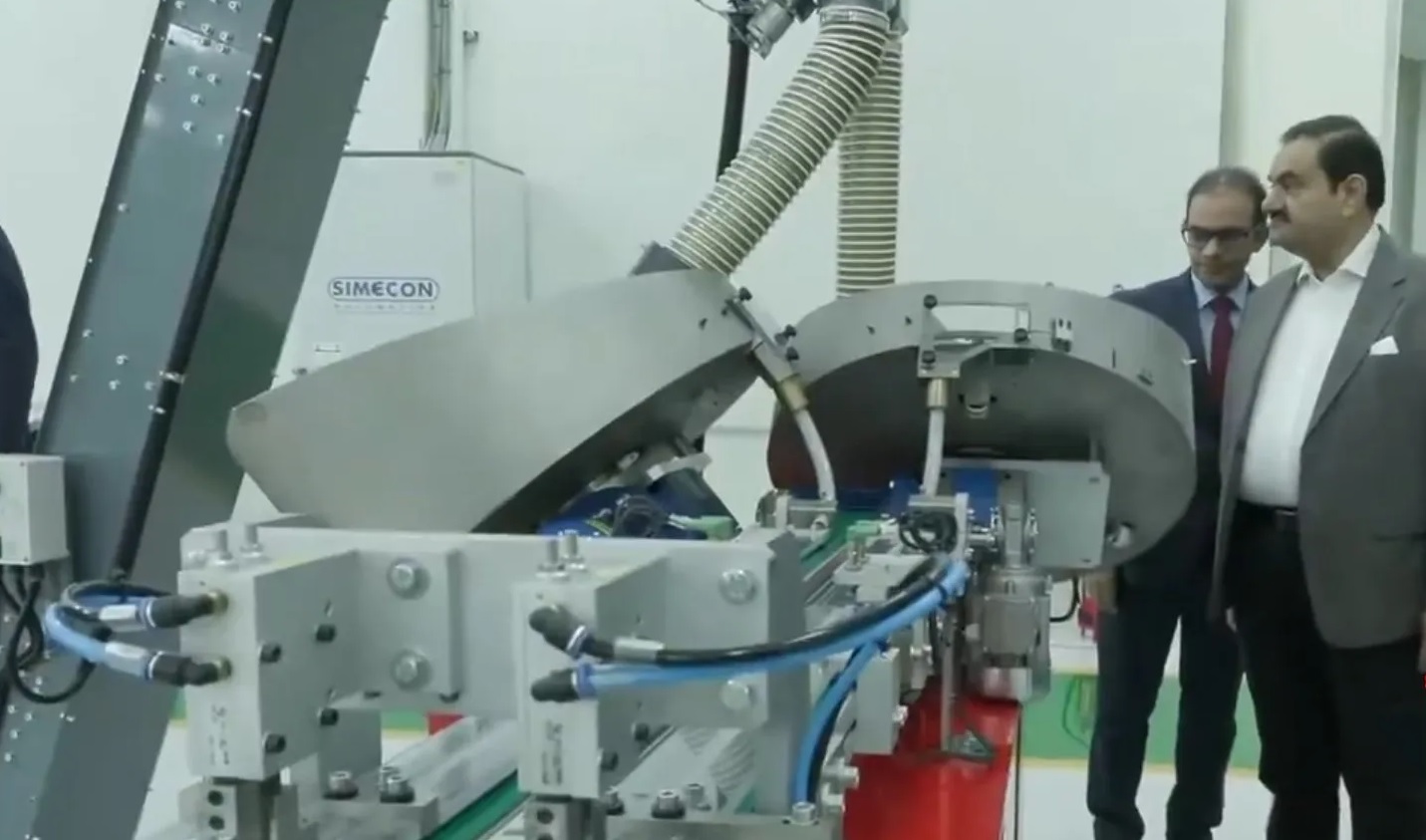
In a major step toward making India more self-reliant in defence, Adani Defence and Aerospace’s Kanpur facility has emerged as a powerful symbol of the country’s Atmanirbhar Bharat vision. Spread across 500 acres, it is one of the largest integrated ammunition manufacturing complexes in South Asia, and forms part of a bigger investment worth over ₹7,000 crore.
This massive facility isn’t just about size—it’s about transforming how India makes weapons and ammunition. Its main goal is to cut India’s dependence on foreign arms, improve national security, and turn India into a global hub for advanced defence production.
At present, the plant manufactures 150 million rounds of small-calibre ammunition annually, and this number is expected to double to 300 million by December 2025. It is also gearing up to produce 150,000 rounds of 155mm artillery shells per year, which will meet nearly half of the country’s total ammunition needs. Backed by solid export orders for the next five years, the facility is already contributing to India’s defence exports.
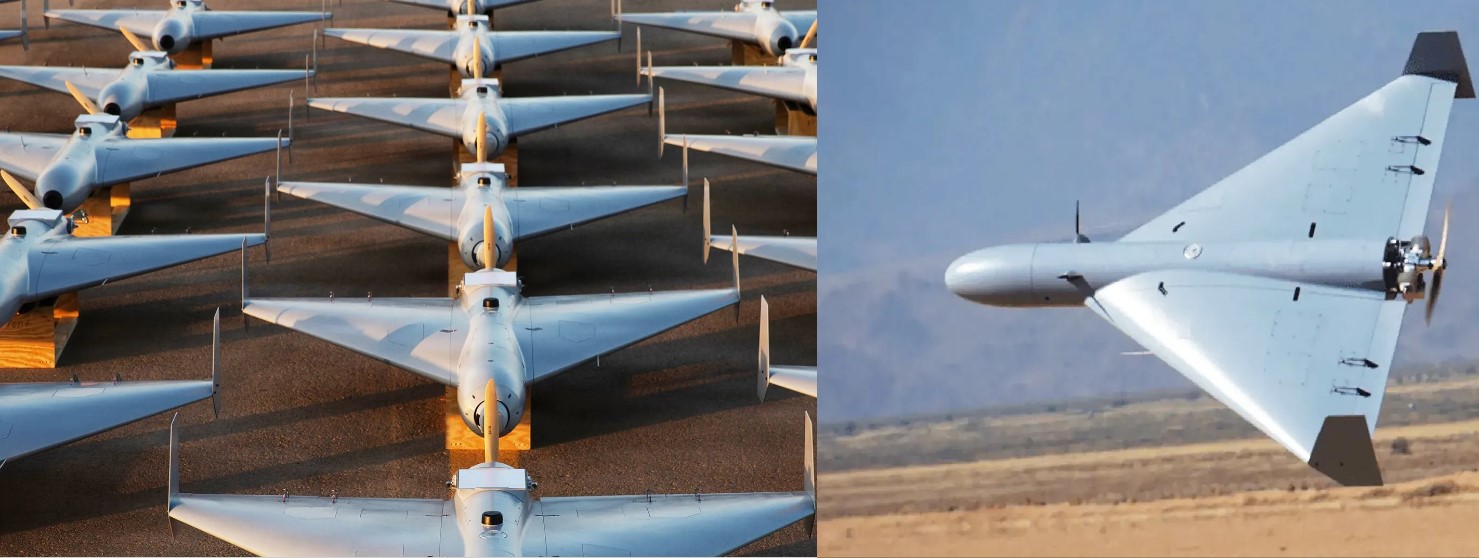
What sets this facility apart is its use of cutting-edge technologies like Artificial Intelligence (AI), data analytics, and digital infrastructure. These tools aren’t just buzzwords—they’re being used in real operations. AI is helping develop weapons that can identify targets, make decisions on their own, and strike with high precision, even in complex battle environments. AI-based quality checks have also replaced many manual inspections, increasing safety and reducing human error.
Apart from ammunition, Adani Defence is making big moves in missile technology. In partnership with DRDO, it is developing surface-to-air and anti-radiation missiles, including the Rudram series. It has also unveiled a new Ultra-Light Precision Guided Missile (ULPGM) that can hit targets between 2.5 to 3.5 km, even when GPS signals are blocked or jammed.
The company’s portfolio now includes naval missile systems, counter-drone platforms, and other solutions tailored for modern, multi-domain warfare—from cyber threats to electronic surveillance. The facility is even equipped with its own firing range, allowing for real-time testing of weapons to ensure quality and accuracy.
A big part of this push is indigenisation. Every part of production—from filling primers to assembling final components—is being done by Indian experts. The company is also moving toward local production of critical components like primers and propellants, reducing reliance on foreign suppliers.
On the ground, the Kanpur facility is creating real economic impact. It currently works with over 75 Indian suppliers, and is expected to generate 1,500 direct and 1,000 indirect jobs, giving a boost to the local economy and offering skilled opportunities to Indian youth.
Notably, Adani’s joint venture to produce AK-203 rifles with Russia has now reached full indigenous production status, and deliveries to the Indian Army, Navy, and Air Force are already in motion.
The Kanpur plant is more than just a factory—it’s a game-changer. With its focus on AI, innovation, and self-reliant manufacturing, it is positioning India to become a global defence manufacturing powerhouse, while securing the country’s future with home-grown strength.
✍️ This article is written by the team of The Defense News.