9 Nuclear-Armed Nations Including India Continued to Modernise N-arsenals in 2023: SIPRI
A recent SIPRI report reveals that the world's nuclear-armed nations are modernizing their arsenals, with China's stockpile growing rapidly. The US and Russia hold the majority of nuclear weapons, while India, Pakistan, and North Korea work on multiple warhead capabilities.
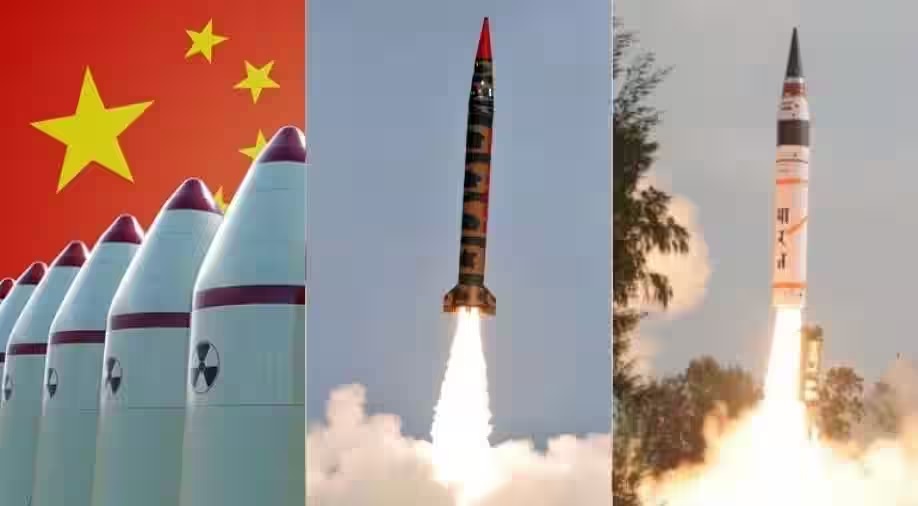
According to a recent analysis by the Stockholm International Peace Research Institute (SIPRI), nine nuclear-armed nations—including the US, Russia, France, China, India, and Pakistan—continued to modernize their nuclear arsenals in 2023. Several of these countries deployed new nuclear-capable weapon systems during the year. The SIPRI report notes a significant increase in China's nuclear arsenal, growing from 410 warheads in January 2023 to 500 in January 2024, with expectations of further growth.
The report highlights that around 2,100 deployed warheads are maintained in a state of high operational alert, primarily belonging to Russia and the US. For the first time, China is also believed to have some warheads on high operational alert. This development underscores the ongoing changes and escalations in global nuclear postures.
SIPRI's analysis reveals that the total global inventory of nuclear warheads was estimated at 12,121 in January 2024, with approximately 9,585 of these warheads in military stockpiles ready for potential use. Of these, about 3,904 warheads were deployed with missiles and aircraft, marking an increase of 60 warheads compared to January 2023. The remaining warheads are stored centrally.
India, Pakistan, and North Korea are actively working to develop the capability to deploy multiple warheads on ballistic missiles. This technology is already possessed by Russia, France, the UK, the US, and more recently, China. The capability to deploy multiple warheads significantly increases the potential destructive power of these nations' arsenals.
Russia and the US together hold nearly 90% of the world's nuclear weapons. Despite their large stockpiles, both countries have seen little change in their numbers over the past year. However, Russia is estimated to have deployed around 36 more warheads with operational forces than in January 2023. Transparency about nuclear forces has decreased in both countries since Russia's full-scale invasion of Ukraine in February 2022, contributing to heightened concerns and debates about nuclear-sharing arrangements.
India's nuclear warhead count was reported at 172 in January 2024, slightly up from the previous year. Pakistan's count stands at 170. Both countries continue to develop new nuclear delivery systems, with India increasingly focusing on longer-range weapons capable of reaching targets throughout China. This shift indicates a growing emphasis on countering threats beyond its immediate neighbor, Pakistan.
China's rapid expansion of its nuclear arsenal is notable, with the potential to possess as many intercontinental ballistic missiles (ICBMs) as either Russia or the US by the end of the decade. Despite this growth, China's stockpile is expected to remain significantly smaller than those of Russia and the US.
Hans M. Kristensen, Associate Senior Fellow with SIPRI's Weapons of Mass Destruction Programme and Director of the Nuclear Information Project at the Federation of American Scientists (FAS), remarked, "China is expanding its nuclear arsenal faster than any other country. But in nearly all of the nuclear-armed states, there are either plans or a significant push to increase nuclear forces."
This ongoing modernization and expansion highlight the persistent and evolving nature of nuclear armament, raising critical concerns about global security and stability.
✍️ This article is written by the team of The Defense News.