Missile Defense Agency's Advanced Missile Tracking Satellites Record First Hypersonic Flight Test
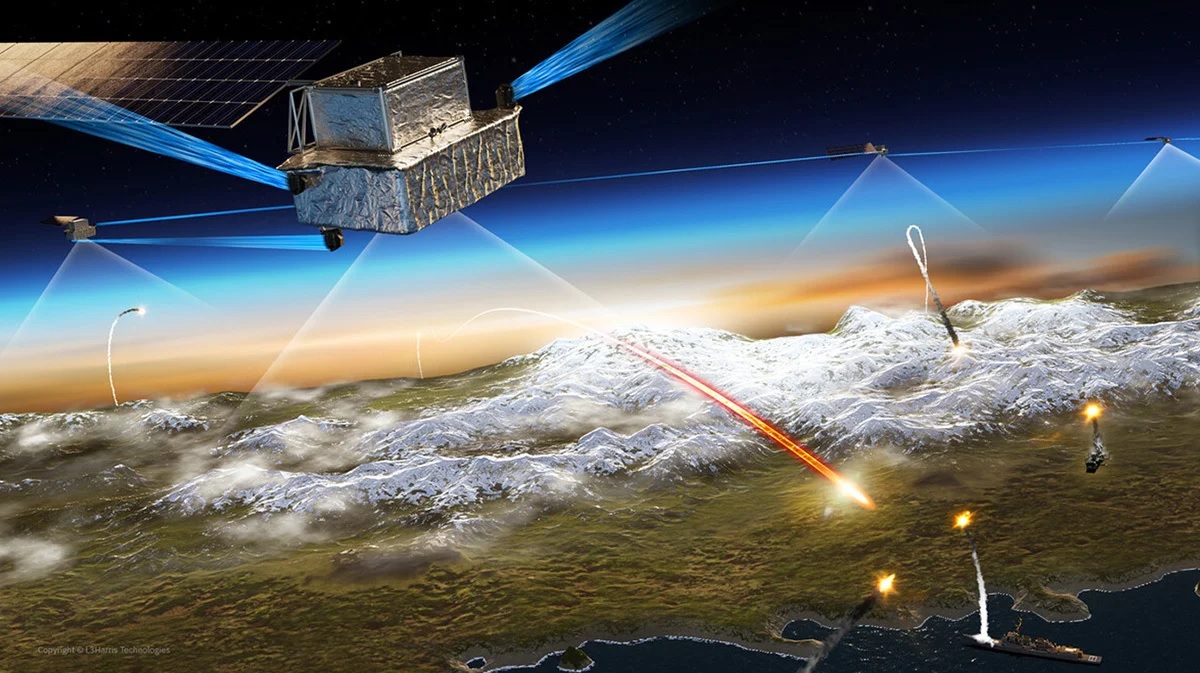
The Defense Department's new missile tracking satellites successfully recorded a hypersonic flight test, marking a significant milestone in hypersonic technology development.
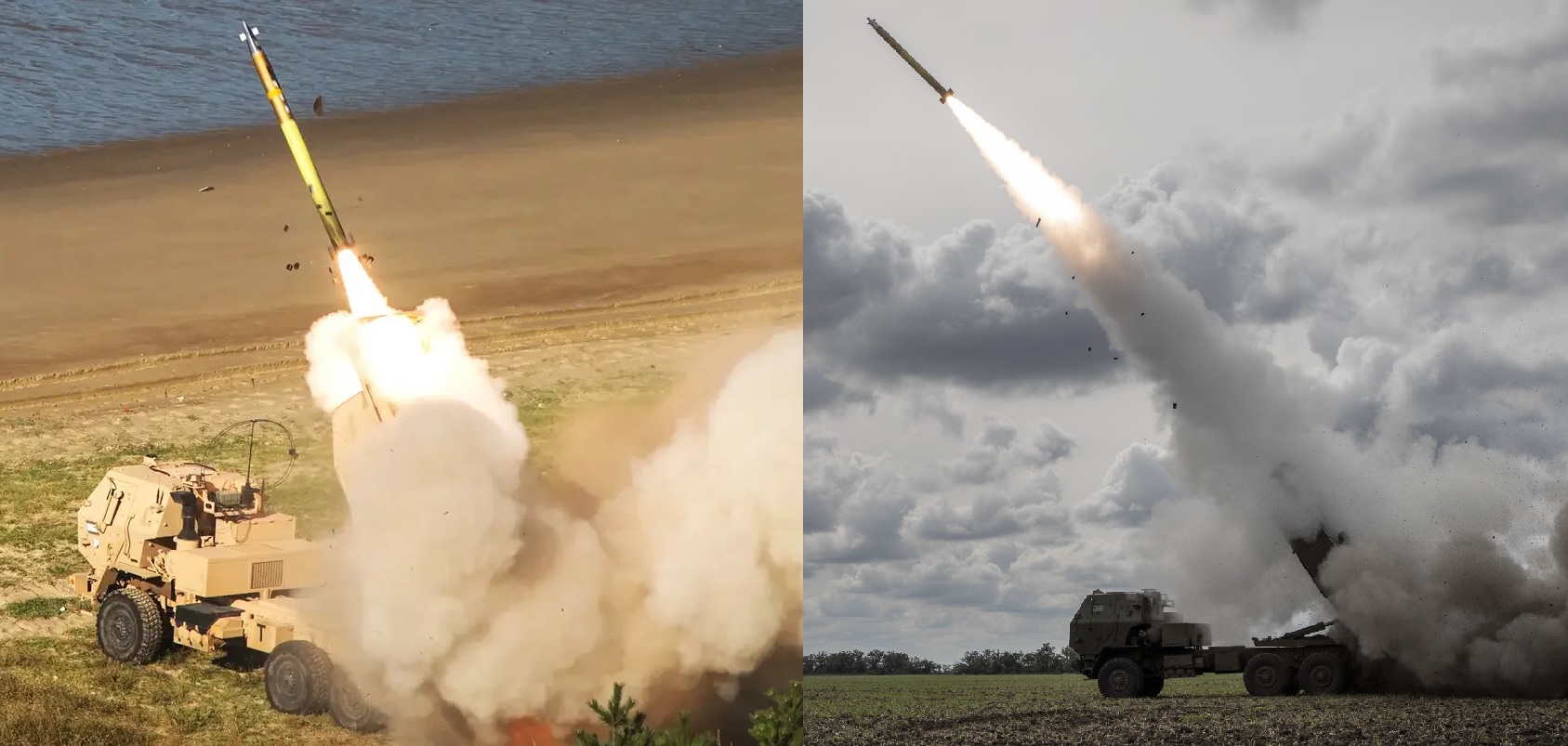
The Missile Defense Agency (MDA) announced that their advanced missile tracking satellites have successfully captured their first hypersonic flight test. The flight, which launched from Wallops Island in Virginia, showcased the capabilities of the new Hypersonic and Ballistic Tracking Space Sensor (HBTSS) satellites.
The MDA's June 14 statement confirmed that the sensors collected valuable data during the test. This data will undergo further analysis over the next few weeks. While the exact date of the launch was not disclosed, the successful tracking marks a significant step forward for the MDA and Space Development Agency (SDA).
Currently, there are 10 missile tracking satellites in orbit, with eight managed by SDA and two by MDA. These satellites are designed to detect and monitor hypersonic weapons, which can travel at speeds exceeding Mach 5. Although SDA did not confirm if their satellites also tracked the recent launch, future SDA spacecraft will integrate the capabilities of both agencies, featuring the medium-field-of-view sensor from the HBTSS satellites.
The ultimate goal is to have a constellation of 100 satellites providing comprehensive global coverage of missile launches. Presently, the limited number of satellites offers restricted coverage. SDA Director Derek Tournear mentioned in April that coordinating tracking opportunities is challenging due to the need for precise satellite positioning over test venues. Despite this, the satellites are also monitoring global hot spots for missile activity.
The tracked flight was the inaugural test for MDA’s Hypersonic Testbed, HTB-1. This vehicle serves as a platform for various hypersonic experiments and components. It joins other high-speed flight test systems like the Test Resource Management Center’s Multi-Service Advanced Capability Hypersonic Test Bed and the Defense Innovation Unit’s Hypersonic and High-Cadence Airborne Testing Capabilities program.
Details about the companies involved in developing the HTB system remain undisclosed. However, MDA’s director emphasized the importance of this testbed for advancing hypersonic technologies. Lt. Gen. Heath Collins stated, "This test was a huge success for MDA and our partners, marking the beginning of an affordable test bed to conduct hypersonic experiments. HTB-1 represents a significant step forward in hypersonic testing capability. HTB will allow the U.S. to pursue a broad range of state-of-the-art technologies able to operate reliably in hypersonic flight environments."
In conclusion, the successful tracking of a hypersonic flight test by the new HBTSS satellites is a critical development in the Defense Department's efforts to enhance hypersonic weapon detection and monitoring capabilities. As the satellite constellation expands, it will provide better global coverage and improve the U.S.'s ability to track and respond to advanced missile threats.
✍️ This article is written by the team of The Defense News.