“Just Media Talk”: Pakistan’s Defence Minister Denies J-35A Stealth Jet Deal Amid Economic Struggles and Military Overreach

In an increasingly viral interview circulating on Pakistani news channels and social media, Pakistan’s Defence Minister Khawaja Asif firmly denied recent rumors suggesting that the Pakistan Air Force (PAF) is set to receive J-35A stealth fighter jets from China by 2026. When asked directly about the alleged acquisition, Asif replied, “I think it's only in the media, you know… It's good for Chinese defense sales.”
His offhand remark has triggered a wave of debate across strategic circles, especially in light of Pakistan’s dire economic circumstances and the long-standing question of who truly drives major defence procurements in the country: the civilian government or the military establishment.
The Rumor Mill Around J-35A Acquisition
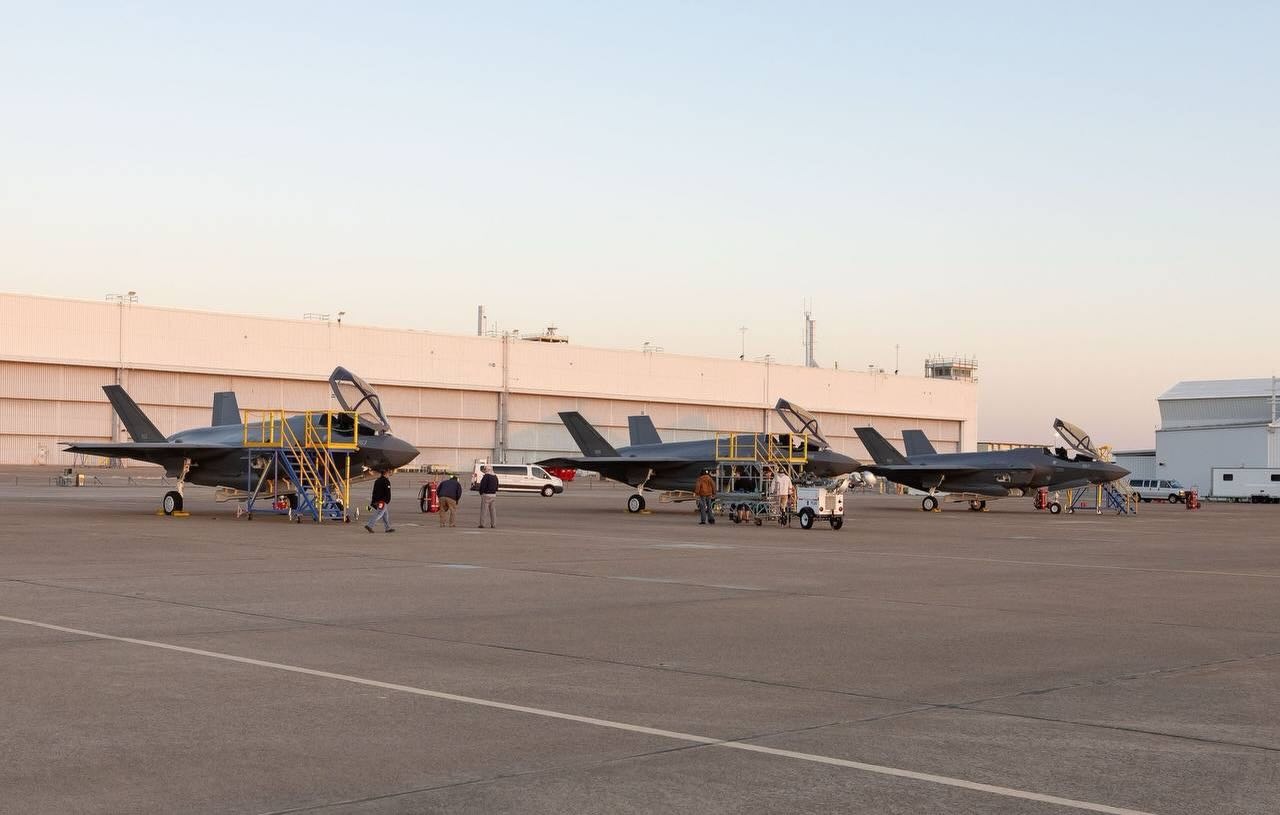
Speculation regarding Pakistan’s interest in the Chinese Shenyang J-35A — a twin-engine, carrier-capable stealth fighter — has circulated since early 2023. The aircraft is considered the Chinese counterpart to the American F-35, equipped with low observability, high agility, and advanced sensor fusion, potentially giving any air force a significant technological edge.
However, there has been no official confirmation from Pakistan or China, and Khawaja Asif’s dismissal of the deal lends weight to the belief that the narrative was partly media hype and partly Chinese arms marketing.
The True Cost of Twin-Engine Fighters
While the J-35A’s stealth and combat capabilities are undeniably advanced, they come with immense operational and financial costs — ones that the PAF may not be able to sustain.
-
Flying Cost: Twin-engine jets such as the J-35A consume up to 2–2.5 times more fuel per hour than single-engine fighters like the JF-17. This translates to $20,000–$40,000 per flight hour, depending on mission load, maintenance cycles, and spares.
-
Maintenance: Stealth aircraft require special maintenance protocols including RAM (Radar Absorbent Material) surface care, which significantly increases cost and complexity.
-
Logistics & Infrastructure: Pakistan lacks the advanced MRO (Maintenance, Repair and Overhaul) infrastructure necessary to maintain stealth aircraft, which would either require heavy investment or dependence on China — further compounding long-term costs.
These are not one-time costs; they form a continuous financial burden. Even at discounted Chinese export rates, the acquisition cost of each J-35A is estimated at $70–85 million, with lifecycle costs running into billions.
Who Really Decides in Pakistan: Army vs Civilian Government
Khawaja Asif’s denial, while definitive, must be viewed through the prism of Pakistan’s unique civil-military dynamic. In the Islamic Republic, the military—especially the Army—holds overriding influence on defence acquisitions, often bypassing the defence ministry or even elected representatives.
Over the decades, Pakistan’s military has made key arms deals independently, including past purchases of F-16s, JF-17s, and Chinese missiles. If the Pakistan Army’s high command deems the J-35A essential for maintaining parity with India’s future stealth capabilities (e.g., AMCA or Rafale), they may move forward regardless of economic logic or civilian objection.
There is growing speculation that any such acquisition would likely be funded through foreign loans, including those from Chinese banks or diverted international aid packages—ironically, funds often intended for development or humanitarian relief.
Economic Collapse vs Military Ambition
The very idea of acquiring such expensive stealth jets stands in stark contrast to Pakistan’s current economic turmoil:
-
Foreign Exchange Reserves: Hovering around $8–9 billion, barely enough for two months of imports.
-
IMF Bailouts: Pakistan remains heavily reliant on the International Monetary Fund (IMF) for basic economic stability.
-
GDP Growth: The economy is projected to grow at less than 2% in 2025, with persistent inflation and food insecurity.
-
Essential Shortages: From water scarcity to electricity outages and lack of public health infrastructure, the average Pakistani faces daily hardships.
Critics argue that diverting billions towards stealth jets, no matter how strategically appealing, is deeply irresponsible in a country where bread and water are becoming harder to afford.
Prestige Projects or People’s Priorities?
Khawaja Asif’s blunt response may have been an attempt to inject realism into a conversation dominated by defense fanfare and media speculation, but it also highlights the larger issue — a widening disconnect between Pakistan’s strategic ambitions and its ground reality.
Until the country stabilizes its economy, reforms its decision-making structure, and prioritizes its citizens' welfare, even discussing fifth-generation stealth fighter acquisitions seems out of touch at best and dangerous at worst.
As the world watches the interview make waves across South Asian media, it becomes clear that Pakistan’s real battle may not be in the skies, but in its own corridors of power and economic survival.
About the Author
Aditya Kumar:
Defense & Geopolitics Analyst
Aditya Kumar tracks military developments in South Asia, specializing in Indian missile technology and naval strategy.