Israeli Prime Minister Orders Evacuation Plans for Rafah Amid Tensions with U.S.
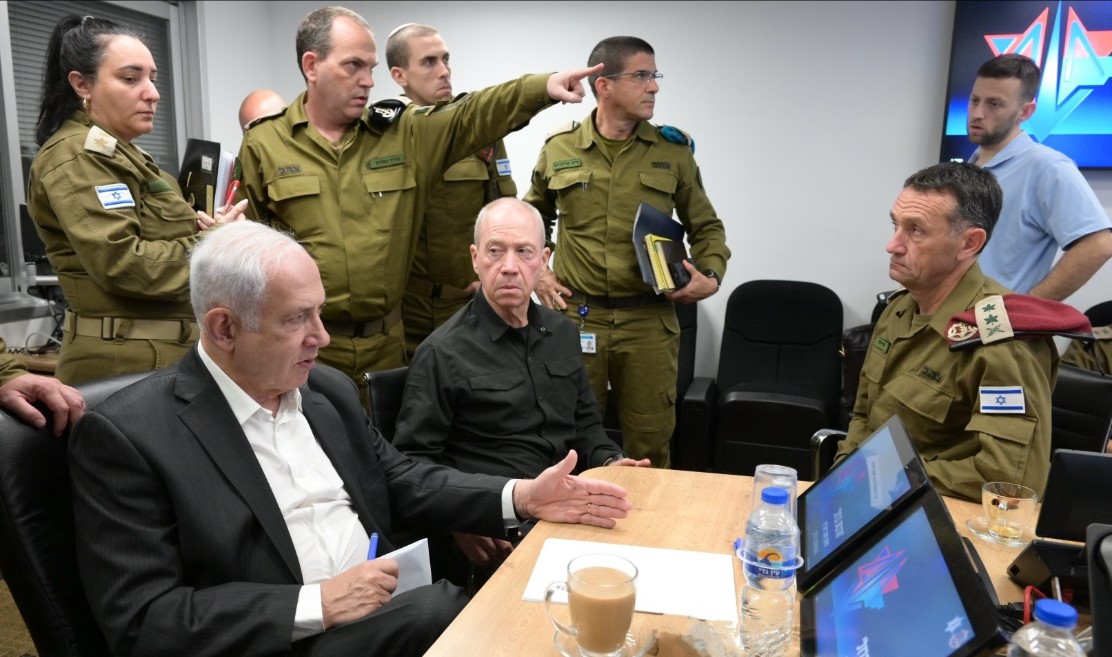
Defense News ,Israel War :- Israeli Prime Minister Benjamin Netanyahu has directed the military to prepare for the evacuation of hundreds of thousands of Palestinians from Gaza's Rafah, a move that defies the concerns of the United States, Israel's main ally. The decision follows President Joe Biden's stern criticism of Netanyahu's handling of the conflict, particularly in response to Hamas's October 7 attack, which Biden deemed "over the top."
In response to the situation in Rafah, Netanyahu has instructed military and security officials to present a comprehensive plan to the cabinet for evacuating the population and dismantling the battalions of Hamas militants entrenched in the city. Rafah, the last major population center in Gaza yet to be entered by Israeli troops, is also a crucial entry point for much-needed relief supplies.
The United States, while a key supporter of Israel, has expressed its disapproval of a ground offensive in Rafah, cautioning that an unplanned operation could lead to a "disaster." President Biden voiced his dissatisfaction with Israel's military response, stating that it has been excessive and has resulted in the suffering of innocent civilians.
Overnight airstrikes on Rafah, intensified by the Israeli military, have further devastated the city. Images depict scenes of destruction in Rafah's streets, where people are queuing for increasingly scarce water. The health ministry in the Hamas-run territory reported more than 100 casualties in the recent bombardment, including children. With Rafah's population soaring to an estimated 1.3 million due to the influx of displaced individuals from other Gaza towns, the humanitarian crisis is escalating.
The ongoing conflict stems from Hamas's unprecedented attack on October 7, which resulted in approximately 1,160 deaths in Israel, predominantly civilians. In retaliation, Israel pledged to eradicate Hamas, initiating a series of air raids and a ground offensive that has claimed the lives of at least 27,947 people, mostly women and children.
The escalating situation has prompted the United Nations chief, Antonio Guterres, to express alarm, stating that the Israeli push into Rafah would worsen an already dire humanitarian nightmare. The UN agency for Palestinian refugees, UNRWA, has warned against a major Israeli operation in Rafah, highlighting the growing anxiety and panic among the population.
The US State Department, through Deputy Spokesman Vedant Patel, emphasized that there is no evidence of serious planning for an Israeli ground operation in Rafah, and such an assault is not something the US would support. Secretary of State Antony Blinken conveyed Washington's concerns directly to Netanyahu during recent talks in Jerusalem.
Amidst the conflict, ceasefire talks continue in Cairo, where Qatari and Hamas negotiators are seeking a resolution. Despite rejecting what Netanyahu labeled as "bizarre demands" from Hamas, Blinken remains optimistic about finding common ground to halt the fighting and secure the release of Israeli hostages.
The repercussions of the war extend beyond the immediate region, with violence involving Iran-backed allies of Hamas surging across the Middle East since October. Lebanon's Hezbollah, an Iran-backed movement, fired dozens of rockets into Israel in response to attacks in its south. Additionally, the US military targeted Huthi rebels in Yemen, who were set to launch unmanned surface vessels and cruise missiles against ships in the Red Sea.
As tensions escalate and regional ramifications intensify, the international community closely watches the developments in the Israeli-Palestinian conflict, hoping for a peaceful resolution to the ongoing crisis.
✍️ This article is written by the team of The Defense News.