India's Strategic Entry into Semiconductor Manufacturing: Embracing 28nm Technology
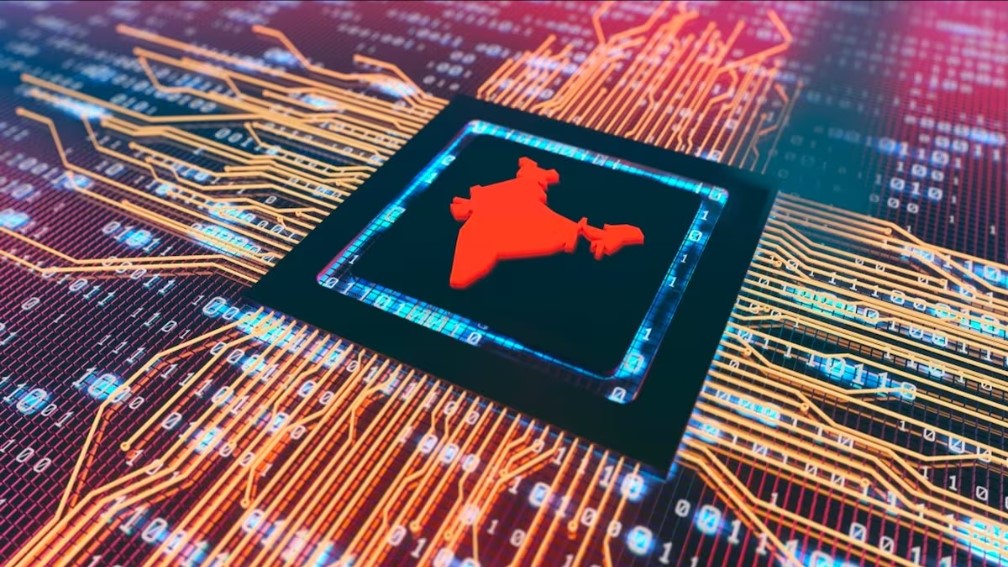
India is set to enter the semiconductor manufacturing industry by 2025, focusing on the 28nm technology node. This move aims to boost domestic production, create jobs, and reduce dependency on imports.
India, long known for its rich engineering talent, has historically been on the fringes of global semiconductor manufacturing. However, the nation is poised to enter the semiconductor market by establishing its own chip-making capabilities by 2025. A critical decision for this endeavor is selecting the right nanometer (nm) technology to serve as the foundation for India's semiconductor industry.
Why 28nm Technology?
Industry experts widely recommend the 28nm node as the ideal starting point for India’s semiconductor ambitions. This technology is mature, versatile, and finds applications across various sectors such as automotive, consumer electronics, aerospace, and defense.
Anurag Awasthi, Vice President of the India Electronics and Semiconductor Association (IESA), emphasizes the potential of 28nm chips, highlighting their maturity and capability for diverse applications. He notes the strong domestic demand for products leveraging this technology, aligning with IESA's projection of a $100 billion Indian semiconductor market by 2030.
Satya Gupta, President of VLSI Society, underscores the commercial viability of the 28nm node, noting its significant role in the global foundry market. He also points out the geopolitical advantages of this technology, such as the reduced risk of denial of access compared to more advanced nodes that rely on restricted equipment.
**Danish Faruqui**, CEO of Fab Economics, supports the 28nm node as a suitable entry point, advocating for multiple fabs utilizing the same node platform to create synergies and propel the ecosystem toward more advanced technologies. He also advises against limiting India's focus to a single node, suggesting a diversified fab portfolio to meet varied demands.
Government Initiatives and Investments
India's government is offering significant subsidies and has shown a high level of commitment to semiconductor manufacturing. For instance, the government has allocated over ₹1.25 lakh crore (approximately $15 billion) for setting up three new semiconductor plants. These facilities, located in Gujarat and Assam, are expected to generate substantial employment and foster technological advancements.
One of the key projects is the Tata Electronics Private Limited (TEPL) partnership with Taiwan's Powerchip Semiconductor Manufacturing Corporation (PSMC) to establish a fabrication facility in Dholera, Gujarat. This plant aims to start producing 28nm chips by the end of 2026 and potentially 22nm chips in the future.
Additionally, the Micron Technology project in Sanand, Gujarat, will further enhance India's semiconductor capabilities by producing D-RAM and Nand products, supported by significant fiscal incentives from both the central and state governments.
Benefits and Challenges
Entering semiconductor manufacturing offers several potential benefits for India. It can enhance manufacturing capacity for export-oriented components, strengthen India's position in global semiconductor value chains, and localize the electronics supply chain. This move can also reduce dependency on imports for critical infrastructure like defense and power.
However, challenges remain, such as the need for robust infrastructure and overcoming the lack of legacy in the semiconductor business. To address these challenges, industry experts recommend focusing on the 28nm node and potentially acquiring existing foundries to jump-start manufacturing.
Conclusion
India's strategic entry into semiconductor manufacturing through 28nm technology is a significant step towards becoming a major player in the global semiconductor industry. With favorable subsidies, strong government commitment, and a growing domestic market, India has the potential to enhance its position in the semiconductor value chain and reduce its dependency on imports.
✍️ This article is written by the team of The Defense News.