Indian Navy to Order Four Made-in-India Tapas Drones from DRDO
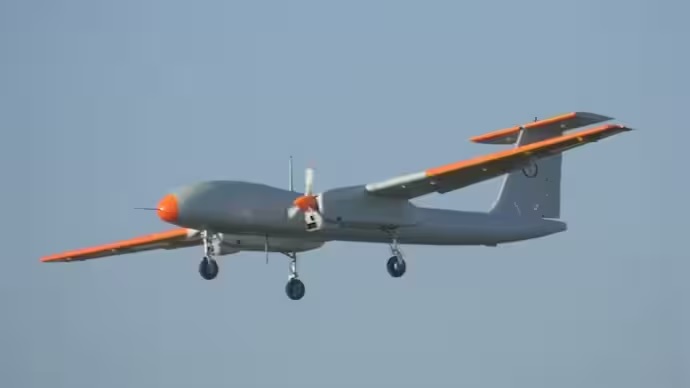
The Indian Navy has announced its decision to procure four Tapas drones developed by the Defence Research and Development Organisation (DRDO) for maritime surveillance purposes. This marks a significant step in bolstering India's indigenous defense manufacturing capabilities and enhancing the Navy's operational surveillance over the extensive maritime zones.
Tapas Drones: An Overview
The Tapas drones, designed by the Aeronautical Development Establishment (ADE) Laboratory of DRDO, are Medium Altitude Long Endurance (MALE) Unmanned Aerial Vehicles (UAVs). Despite some challenges in meeting the stringent requirements of the Indian defense forces, the project is ongoing with continuous improvements.
Specifications and Trials
The Tapas drones have been tested rigorously by the defense forces, demonstrating an altitude reach of up to 28,000 feet and an endurance of over 18 hours. However, the Joint Services Qualitative Requirements (JSQR) necessitate an altitude of 30,000 feet and an endurance of 24 hours. While the drones have not fully met these criteria, their performance in trials has shown promise, especially in maritime surveillance.
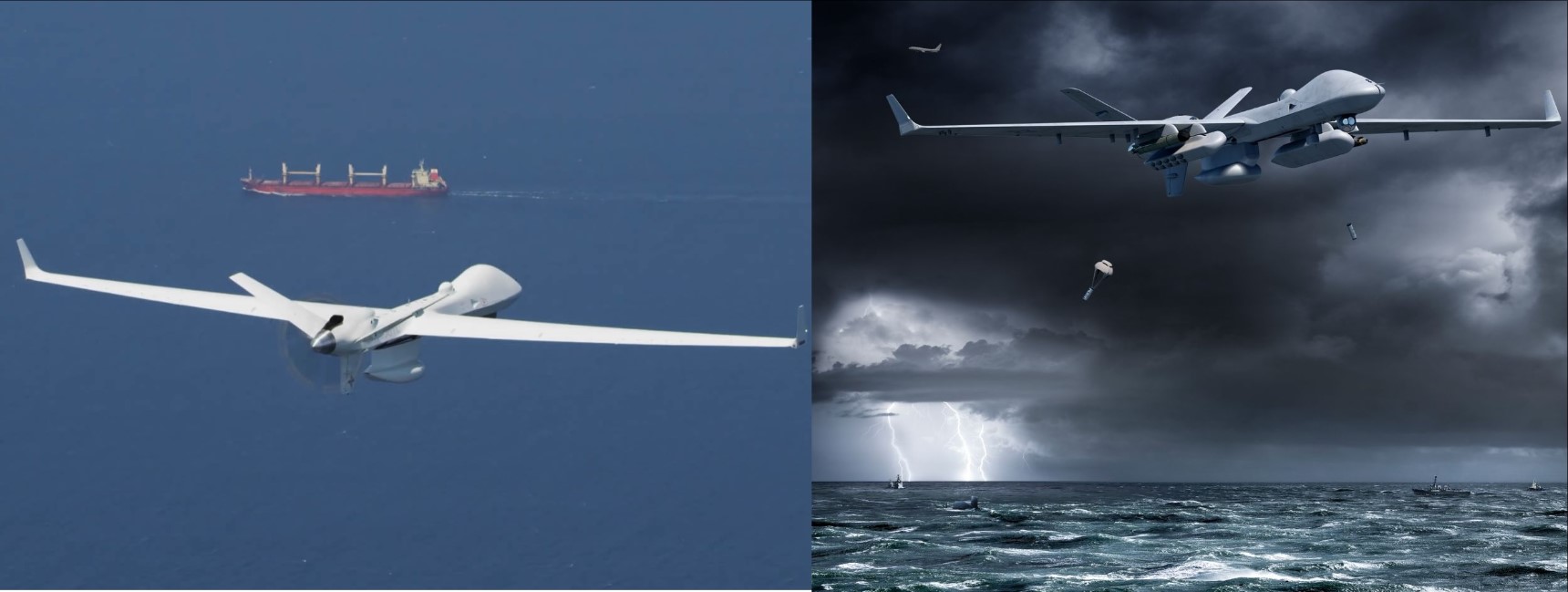
During one notable trial, the Indian Navy operated the Tapas drone over the Arabian Sea from an airfield in Chitradurga, Karnataka, showcasing its potential for naval applications. Additionally, the Tapas UAV requires a relatively short runway, making it suitable for deployment from smaller airfields in island territories and the mainland.
Why the Indian Army Did Not Induct Tapas UAVs
The Indian Army has stringent operational requirements for UAVs, including high-altitude performance and extended endurance capabilities. The Tapas UAVs, despite their promising performance, have not yet met the JSQR of flying at 30,000 feet for over 24 hours. This shortfall has led to their exclusion from the category of mission mode projects for the Army, which demands UAVs capable of sustained high-altitude surveillance for extended durations to monitor hostile activities and secure the nation's borders effectively.
Why the Indian Navy Ordered TAPAS UAVs
The Indian Navy's decision to order TAPAS drones is driven by several strategic and operational considerations:
Enhanced Maritime Surveillance: The Navy requires robust ISR capabilities to monitor vast maritime zones. TAPAS UAVs, with their long endurance and high-altitude operations, are well-suited for this role. They can provide real-time surveillance data, improving maritime domain awareness and aiding in the detection of potential threats.
Indigenous Development: The 'Make in India' initiative aims to reduce dependence on foreign defense equipment. By procuring TAPAS drones, the Navy supports domestic defense manufacturing and innovation, contributing to national self-reliance.
Cost-Effectiveness: Indigenous UAVs are typically more cost-effective compared to their foreign counterparts. The TAPAS drones offer a balance between advanced technology and affordability, making them an attractive option for the Navy.
Operational Flexibility: The TAPAS UAVs can be deployed for various missions, including surveillance, reconnaissance, and intelligence gathering. This versatility enhances the operational flexibility of the Navy.
Future of Tapas UAVs
The future of Tapas UAVs lies in the ongoing development and enhancements by DRDO. Despite not fully meeting the current requirements, continuous improvements and successful trials could make them a viable option for other branches of the armed forces. The focus will be on achieving the JSQR benchmarks, which include higher altitude endurance and longer flight durations.
Moreover, the collaboration between DRDO, BEL, and HAL highlights the potential for further advancements in indigenous UAV technology. As these drones evolve, they could become a cornerstone of India's surveillance and reconnaissance capabilities, contributing significantly to the nation's defense infrastructure.
In conclusion, the Indian Navy's order of four Tapas drones represents a strategic move to enhance maritime surveillance while supporting indigenous defense manufacturing. The ongoing development and potential future improvements of these UAVs could pave the way for their broader acceptance and deployment across various defense forces in India.
✍️ This article is written by the team of The Defense News.