India Weighs Immediate 5th-Gen Fighter Jet Buy Amid MRFA Delays: Parliamentary Defense Committee Push
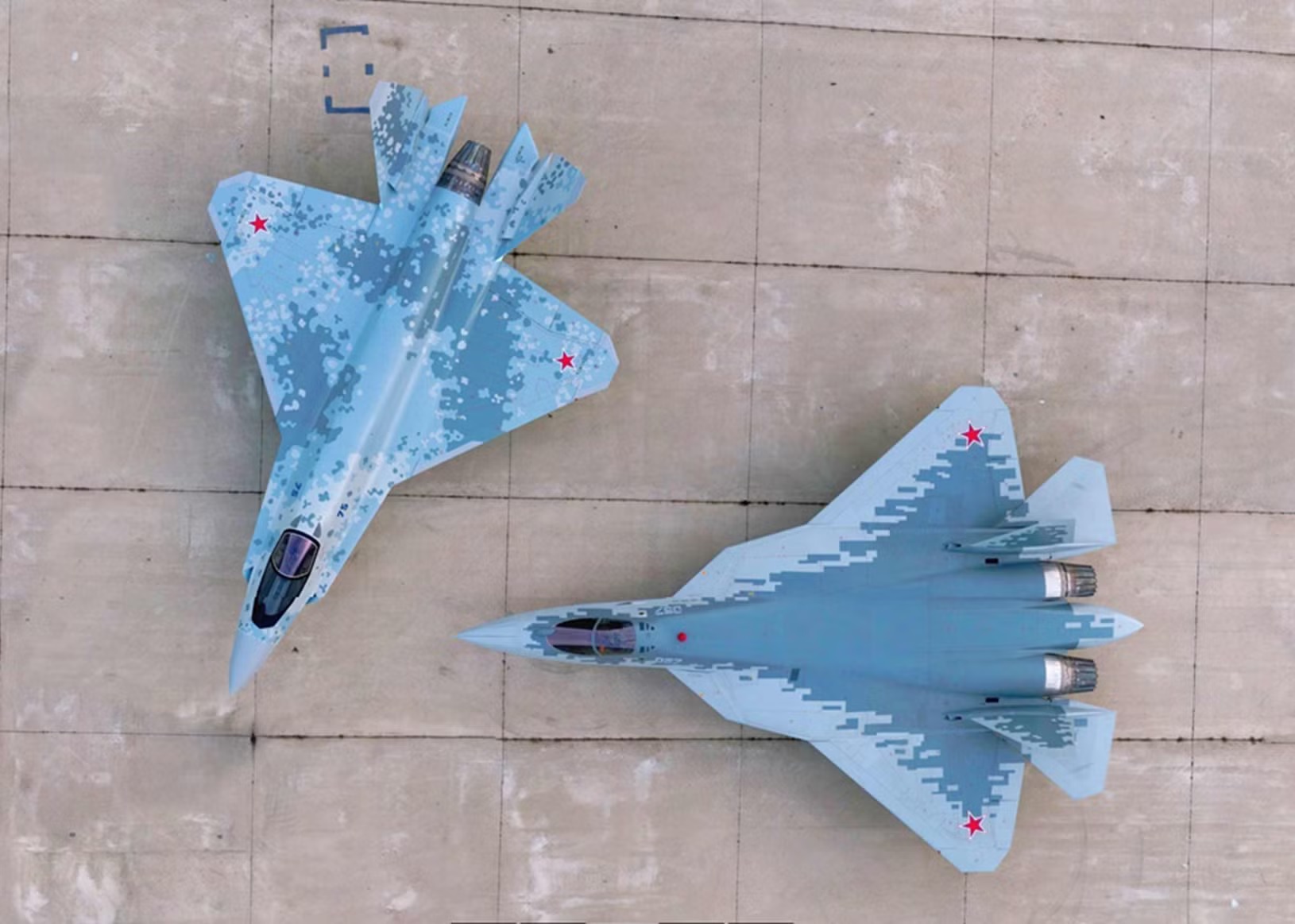
India's quest to modernize its air combat capabilities faces a crossroads as the Parliamentary Standing Committee on Defence prepares to push for an alternative to the stalled Multi-Role Fighter Aircraft (MRFA) program. With the Indian Air Force's (IAF) squadron strength dwindling, the committee is expected to urge the government to consider an "over-the-counter" purchase of fifth-generation fighter jets. This suggestion, while pragmatic, opens a debate about the balance between urgent requirements and long-term goals for defense self-reliance.
The MRFA Delays and Rising Concerns
The MRFA project, envisioned to procure 114 advanced fighter aircraft under the "Make in India" initiative, has been plagued by bureaucratic delays and procedural complexities. Estimated at $20 billion, the program aims to integrate state-of-the-art technology while fostering domestic manufacturing capabilities through partnerships with global aerospace firms. However, the pace of progress has been disappointingly slow, raising fears of a repeat of prolonged development timelines seen in the Light Combat Aircraft (LCA) Tejas and Kaveri engine programs.
The Parliamentary Committee has repeatedly flagged the risks of inaction. The IAF's sanctioned squadron strength of 42 has dwindled to around 30 squadrons, even as threats in the region grow. China's rapidly advancing airpower and Pakistan's acquisition of new fighter jets exacerbate the situation, leaving India in a precarious position.
Over-the-Counter Fifth-Generation Fighters: A Short-Term Fix?
To address these immediate concerns, the committee is advocating for the purchase of fifth-generation fighters directly from international manufacturers. Aircraft like the American F-35 Lightning II, the most advanced multi-role stealth fighter currently operational, are often cited as potential candidates. The F-35 offers cutting-edge capabilities, including:
- Stealth Technology: Advanced materials and designs ensure minimal radar visibility.
- Sensor Fusion: Real-time integration of data from multiple sensors for unmatched situational awareness.
- Network-Centric Warfare: Interoperability with other platforms, enabling seamless coordination in combat.
- Versatility: Capable of air superiority, ground attack, and intelligence missions.
However, acquiring such jets over the counter comes with high financial costs, estimated at $80–100 million per aircraft, excluding additional expenses for infrastructure, training, and maintenance. Moreover, reliance on foreign-made jets could undermine the momentum of indigenous projects like the Advanced Medium Combat Aircraft (AMCA), India’s ambitious effort to field a homegrown fifth-generation platform by 2035.
Striking the Balance: Short-Term vs. Long-Term Needs
While the urgency of the IAF's capability shortfall cannot be overstated, experts caution against prioritizing immediate purchases at the cost of long-term objectives. The AMCA program, though years away from operational readiness, represents a cornerstone of India’s defense aspirations. A similar argument applies to the stalled Kaveri jet engine project, which holds potential to reduce reliance on foreign propulsion systems.
To mitigate risks, India could consider a hybrid approach. This might involve limited over-the-counter purchases of fifth-generation fighters to meet pressing needs while accelerating AMCA and other indigenous programs. International collaboration, as seen with India's deal with GE Aerospace for fighter jet engines, could also help bridge capability gaps without derailing domestic initiatives.
Conclusion: Navigating a Strategic Choice
The Parliamentary Committee's anticipated recommendation reflects a stark reality: the IAF's immediate operational requirements cannot wait for bureaucratic red tape to untangle. However, the government must tread carefully. A knee-jerk shift to foreign purchases could undermine India’s vision of self-reliance, a goal championed by the "Make in India" campaign.
As India deliberates its options, the challenge lies in balancing the need to bolster its defenses now with the imperative to cultivate a robust and independent defense ecosystem for the future.
✍️ This article is written by the team of The Defense News.